



For years, launch monitors were golf’s version of a backstage pass.
They lived in fitting bays, teaching studios and inside the ropes at professional events—powerful, precise and almost entirely out of reach for the average player. If you wanted access to that level of data, you needed an appointment, a coach or a serious financial commitment.
That exclusivity defined the category.
In 2026, it’s starting to disappear.
A new wave of affordable launch monitors is reshaping the landscape, bringing performance data out of the pro shop and into backyards, garages and driving ranges around the world.
What was once elite technology is rapidly becoming everyday equipment—and the implications for how golfers learn, practice and improve are hard to ignore.
The Price Barrier Is Cracking
The biggest change is also the simplest: cost.
For years, high-end launch monitors carried price tags in the five-figure range. Even mid-tier options required a significant investment, limiting adoption to serious enthusiasts and professionals.
That model is breaking down.
New entrants into the market are introducing devices at a fraction of the cost, often under $1,000—and in some cases, closer to what golfers would spend on a premium driver. These systems may not match the absolute precision of tour-level units, but they offer something arguably more important: access.
Access to ball speed. Access to launch angle. Access to spin, carry distance and dispersion.
For the first time, golfers can own their data instead of borrowing it.
From Raw Numbers to Real Feedback
But affordability alone doesn’t explain the surge.
Earlier generations of launch monitors often felt like technical instruments—powerful, but not particularly user-friendly. Data was presented in ways that required interpretation, often leaving golfers with numbers but no clear path forward.
That’s changing.
Modern devices are increasingly designed with usability in mind. Interfaces are cleaner. Data is simplified. Feedback is more immediate. Instead of overwhelming users with metrics, newer systems focus on translating information into something actionable.
A golfer no longer needs to understand every variable to benefit from the system. They just need to recognize patterns.
The technology is starting to meet players where they are.
The Consumer Electronics Moment
There’s a familiar pattern here—one that has played out across multiple industries.
Flat-screen televisions were once luxury items. Fitness trackers began as niche performance tools. Smartphones evolved from specialized devices into essential everyday technology.
In each case, the same formula applied: better hardware, lower prices, improved user experience.
Launch monitors are now following that curve.
As competition increases, innovation accelerates. Devices become smaller, more portable and easier to integrate into daily routines. Software improves alongside hardware, creating ecosystems that extend beyond the device itself.
Golf tech is entering its consumer electronics phase.
And when that happens, adoption tends to follow.
Practice Is Becoming Data-Driven
The ripple effect of this shift is already visible in how golfers practice.
Traditionally, improvement relied heavily on feel. Players would hit balls, make adjustments and hope those changes translated to the course. Feedback was limited, often subjective and sometimes misleading.
Launch monitors change that dynamic.
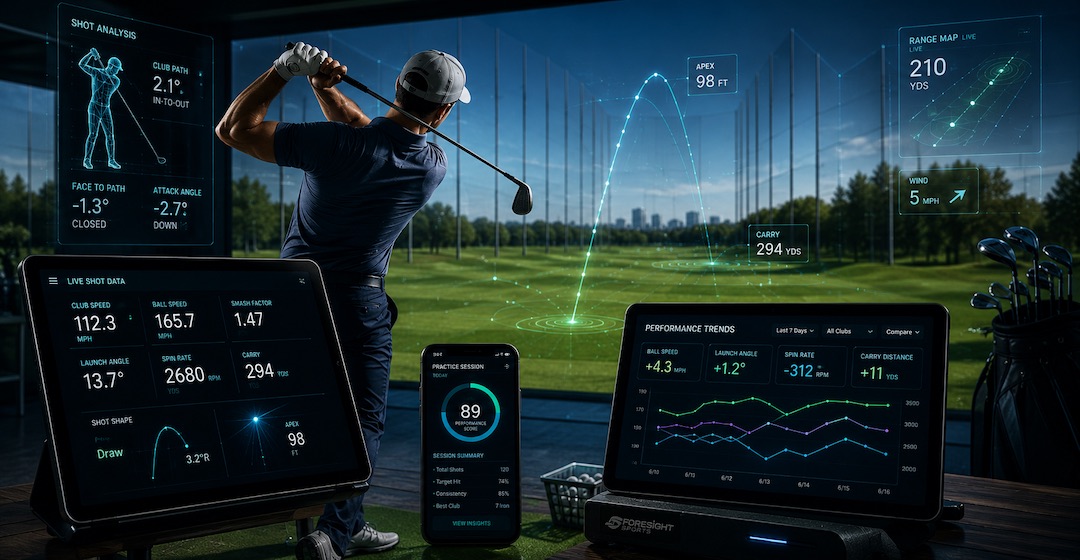
Every swing now produces measurable output. A slight adjustment in club path or face angle can be tracked instantly. Patterns emerge over time. Progress becomes visible, not just intuitive.
Practice becomes less about repetition and more about understanding.
And perhaps more importantly, it becomes more efficient.
Instead of hitting 100 balls with vague intent, golfers can work toward specific outcomes, guided by real data.
The Simulator Connection
This wave of affordable launch monitors is also fueling another trend: the expansion of indoor golf.
Many of these devices now integrate seamlessly with simulator software, allowing golfers to pair performance tracking with virtual play. What was once a separate category—launch monitor versus simulator—is increasingly merging into a single experience.
A backyard practice session can double as a simulated round. A garage setup can function as both a training environment and an entertainment space.
The technology is no longer isolated.
It’s connected.
The New Baseline
As more golfers gain access to launch monitor data, expectations begin to shift.
What was once considered advanced insight becomes standard feedback. Terms like ball speed and launch angle move from coaching sessions into everyday conversations. Players become more informed, more analytical and more aware of their own performance.
That changes the culture of the game.
It also raises the baseline.
When data becomes widely available, improvement accelerates—not just at the elite level, but across the entire spectrum of players.
What Comes Next
If early 2026 is any indication, this trend is just getting started.
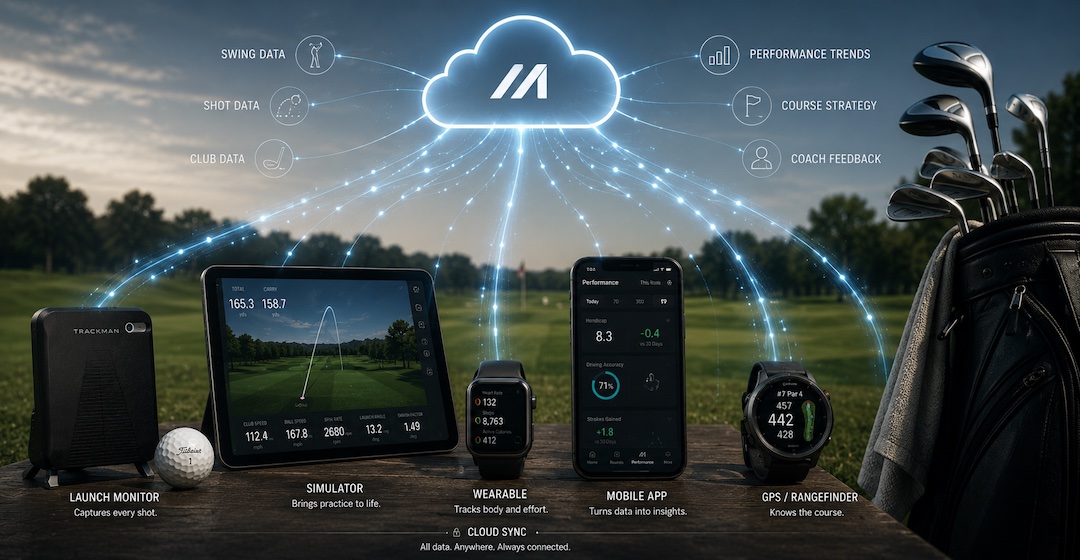
Devices will continue to improve. Software will become more intelligent, layering in recommendations, coaching and predictive analysis. Integration with other technologies—simulators, wearables, mobile apps—will deepen.
But the most important shift has already taken place.
Launch monitors are no longer tools reserved for professionals.
They’re becoming part of the everyday golfer’s toolkit.
And as that transition continues, the gap between how the pros train and how amateurs practice will continue to shrink.
Because for the first time, the data isn’t locked away.
It’s in your hands.
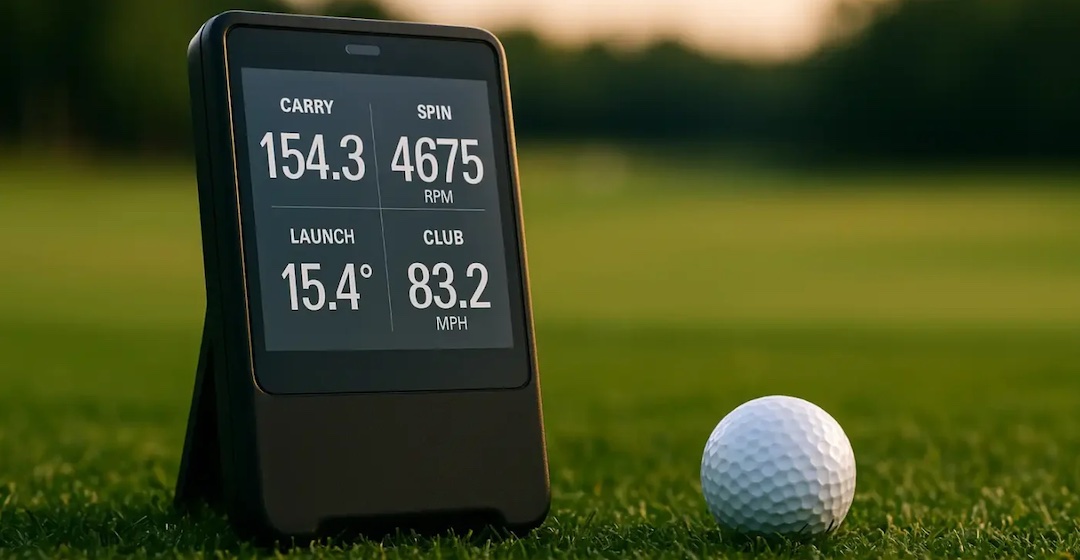
Launch Monitors Are Finally Breaking Out of the Pro Shop
Affordable launch monitors are bringing pro-level data to everyday golfers, transforming practice with real-time feedback and reshaping how players improve.

· 3 months ago
Related Articles

Business
+3
Equipment
Products
Technology
CityGolf USA Plans First Indoor 18-Hole Simulator Course in Nashville

Equipment

TaylorMade Adds Hi-Toe 5 Wedge to Growing Wedge Portfolio
Business
+2
Products
Technology
Your Apple Watch Is Coming for Your Golf Watch

Business
+1
Tournaments

LIV Golf's Bedminster Event Draws Trump, Surfaces Mystery Investor

Equipment
+1
Products
Titleist Equipment Wins 2026 Wyndham Championship with Michael Brennan
Business
+2
Equipment
Products
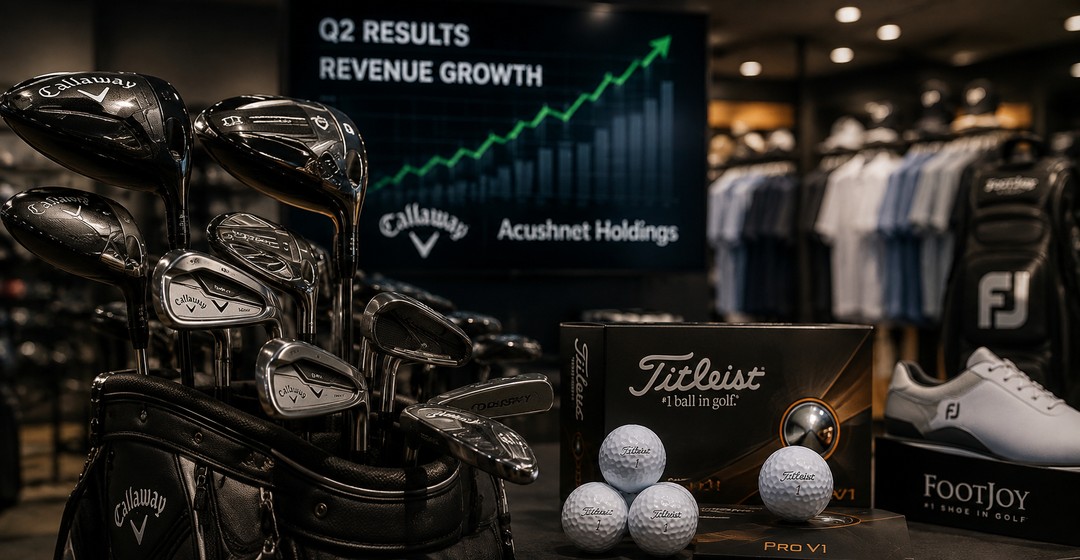
Callaway and Acushnet Report Q2 Revenue Gains Across Core Segments
Equipment

Kirkland Signature Golf Equipment Continues to Pressure Branded Club Manufacturers
Equipment
+2
Products
Technology
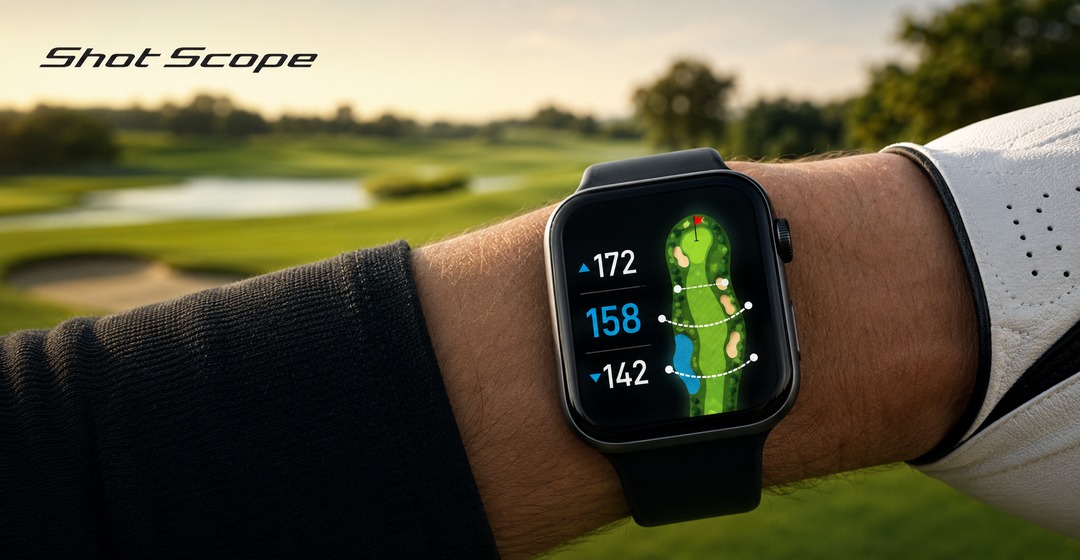
Shot Scope Launches Native GPS App for Apple Watch
Business

LIV Golf Secures Lead Investor to Restructure League Operations
Equipment
+2
Products
Technology

Golf Pride Expands CP Grip Line With New Ultra-Soft Model
Equipment
+1
Products

ParLinx Enters Footwear Market With Performance-Focused Golf Shoe
Equipment
+1
Technology

Motocaddy Launches 2026 M7 Remote Electric Trolley
Equipment
+2
Products
Tournaments

Ball Lab Data Flags Diameter Inconsistencies in PXG Xtreme Tour
Business
+2
Courses
Tournaments

The Open at Birkdale Sets Attendance Record at 300,000
Business

Scheffler Opens 3M Open With Strong First-Round Performance
Equipment
+2
Products
Technology
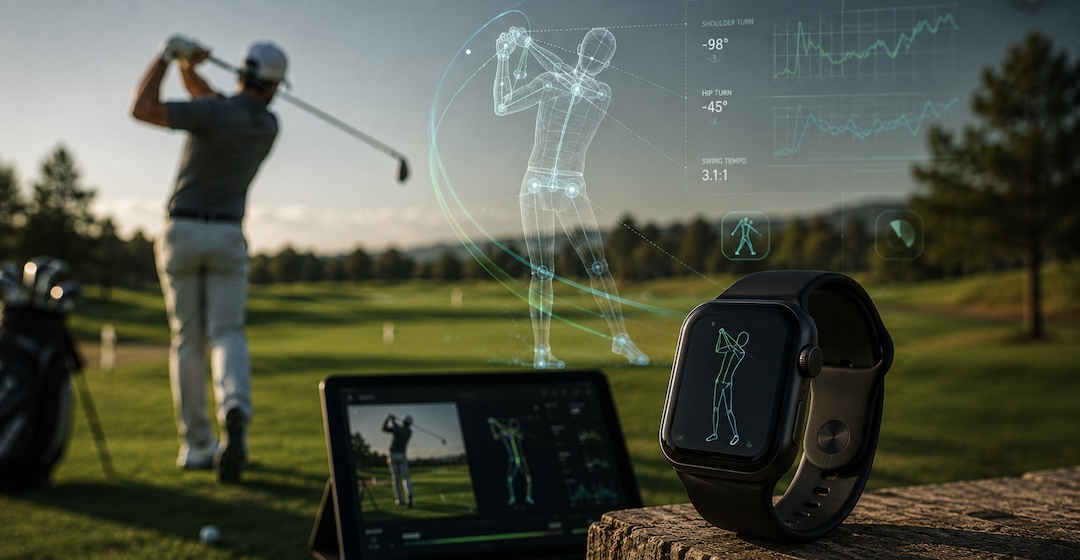
Your Smartwatch Is Learning to See Your Entire Golf Swing
Courses

Industry Operators Debate Optimal Green Speeds for Competitive Play
Business
+2
Products
Technology
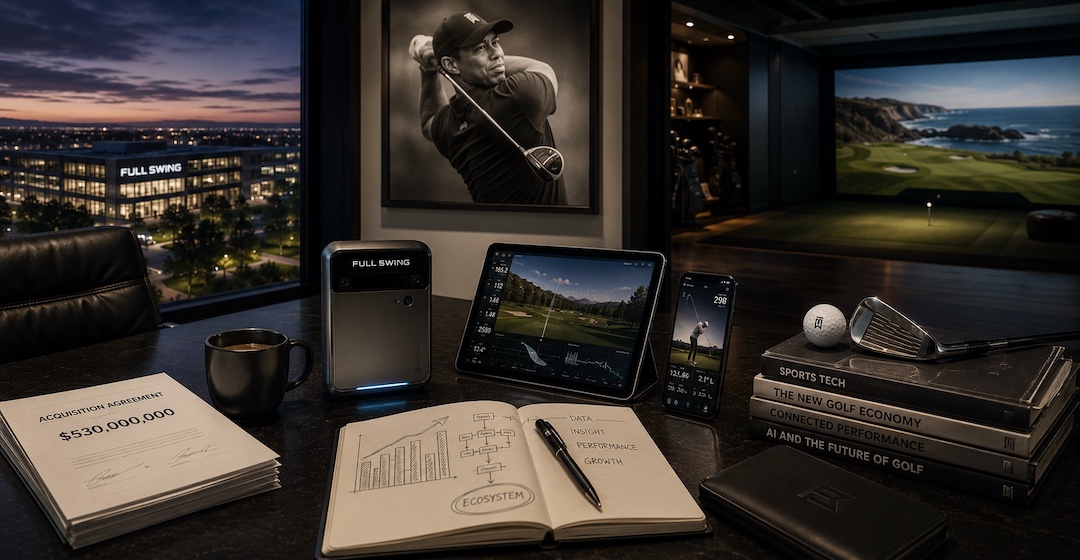
The $530-Million Swing: Why Golf Tech Just Became Silicon Valley’s Next Big Bet
Business
+2
Products
Technology
Golf Is (Finally) Entering Its Connected-Device Era
Courses
+2
Equipment
Technology
The Practice Range Is Becoming a Data Lab