

For years, launch monitors existed on the fringes of everyday golf.
They were powerful, precise and almost entirely inaccessible—tools reserved for fitting bays, teaching studios and professionals with the resources to use them. For most golfers, the only exposure came during a lesson or a rare session with high-end equipment.
That era is ending.
A new generation of launch monitors is pushing the technology into the mainstream, driven by a combination of lower prices, simpler design and a growing focus on usability. Devices like the Blue Tees Rainmaker aren’t just making data available—they’re making it approachable.
And in doing so, they’re changing how golfers think about practice.
The Price Shift
The most obvious change is cost.
Where top-tier systems once required five-figure investments, newer devices are entering the market at a fraction of that price. Some now sit comfortably within the range of a premium club purchase, lowering the barrier to entry for a much broader audience.
That shift matters. When technology becomes affordable, it stops being specialized. It becomes part of the everyday toolkit.
Golfers no longer need to schedule time with a system; they can own one.
Simplicity Over Complexity
Equally important is how these devices are designed.
Earlier launch monitors often prioritized precision over experience, delivering dense streams of data that required interpretation. The information was valuable, but not always actionable.
Newer systems take a different approach.
Interfaces are streamlined. Key metrics are prioritized. Feedback is delivered in ways that are easier to understand and apply. Instead of overwhelming users, the goal is to guide them.
A golfer doesn’t need to understand every number; they just need to know what to adjust.
The Practice Shift
As launch monitors become more accessible, they’re reshaping how golfers practice.
Traditionally, improvement has been built on repetition and feel. Players would hit balls, make adjustments and hope those changes translated to the course. Feedback was often subjective, influenced by conditions and perception.
With real-time data, that process becomes more precise.
Every swing produces measurable output. Adjustments can be tested instantly. Patterns become visible over time. Practice shifts from guesswork to experimentation.
Golfers aren’t just hitting balls—they’re solving problems.
The Bigger Trend
This evolution mirrors what has happened across other industries.
Technology starts at the high end, reserved for professionals. Over time, it becomes smaller, cheaper and easier to use. Eventually, it becomes standard and launch monitors are now reaching that point.
As adoption grows, expectations will change. Data will become part of everyday conversation. Players will arrive at courses with a deeper understanding of their own performance.
And the gap between how professionals train and how amateurs practice will continue to narrow.
Where It’s Heading
The next phase is already taking shape.
Launch monitors are beginning to integrate with simulator software, mobile apps and broader training ecosystems. Devices won’t exist in isolation—they’ll connect, share data and build more complete pictures of performance.
Golf tech isn’t just becoming more accessible, it’s becoming more connected—and as that happens, the launch monitor will no longer feel like advanced equipment; it will feel like a basic requirement.
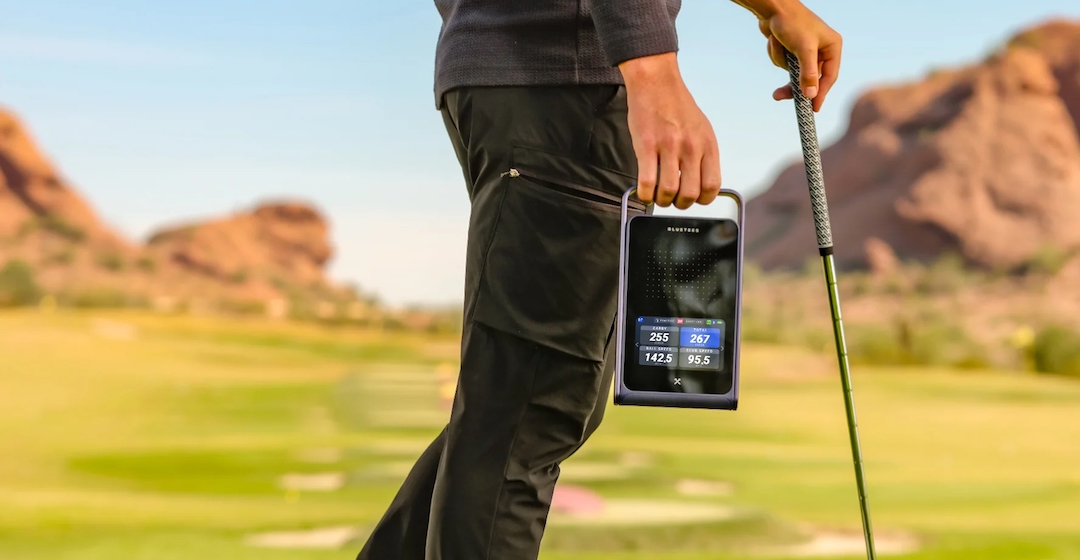
Launch Monitors Are Becoming Everyday Golf Gear
Affordable launch monitors are bringing pro-level data to everyday golfers—transforming practice with real-time feedback—making performance tracking easier.

· 5 months ago
Related Articles
Business
+1
Technology
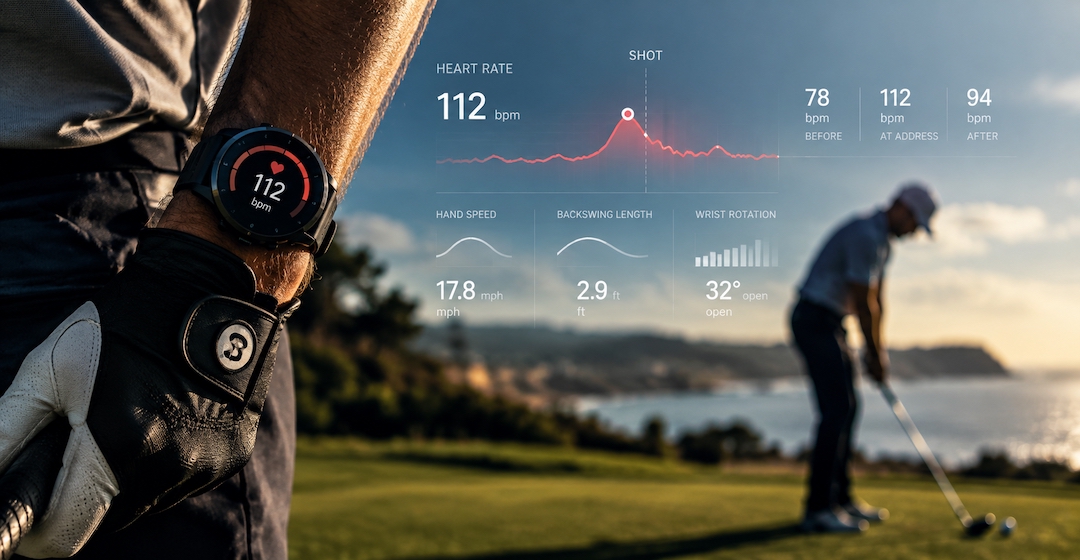
Golf Tech Is Starting to Measure the Shot Before You Swing

Clubs
+2
Equipment
Technology

What Auditing 3,000 Golf Shaft Specs Taught Us About Weight
Business
+1
Technology

Golf Is Finally Getting Multiplayer Mode, Five Swings at a Time
Equipment
+2
Products
Technology

Golf's Next Computer Is 1.68 Inches Wide
Business
+2
Courses
Technology
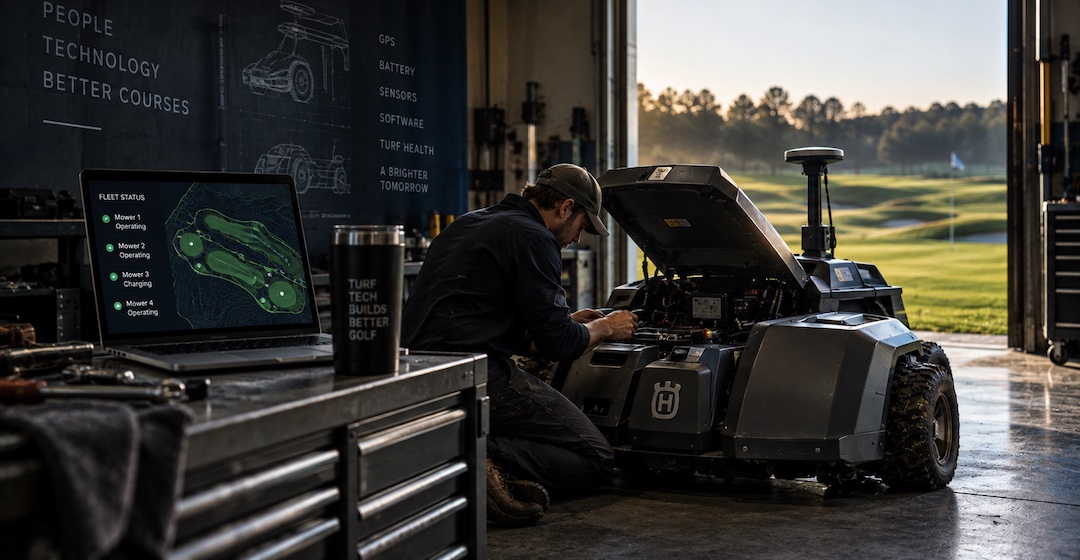
The Golf Course Mechanic Is Becoming a Robotics Engineer

Business

LIV Golf Cancels Season Finale, Concerts Amid Operational Breakdown
Business
+1
Technology

Golf's Next Employee Might Just Be an AI Agent

Courses
+2
Tournaments
Podcast

Duff Foreman Could Make History as First Known AI Broadcast Personality to Join a Live Professional Golf Broadcast
Clubs
+2
Equipment
Technology

Golf's "Weirdest" Putters Are Winning the Engineering War

Business
+3
Products
Technology
Tournaments

ParTab Partners with iGolf to Bring Course Intelligence to the Games Golfers Actually Play
Business
+1
Technology

Golf AI Is Learning What Your Scorecard Can’t Tell You

Business
+1
Tournaments

iGolf Partners with Skins Golf to Power Its All-in-One Competitive Golf Platform
Business
+1
Tournaments

LIV Golf Cuts Prize Money Following Cancellation of Team Championship

Courses
+1
Tournaments

Carden Park Secures Women's PGA Cup Hosting Rights

Business
+2
Courses
Tournaments

LIV Golf's Season Finale Plans Scaled Back Amid Uncertainty
Equipment

TaylorMade Adds Hi-Toe 5 Wedge to Growing Wedge Portfolio
Business
+2
Products
Technology
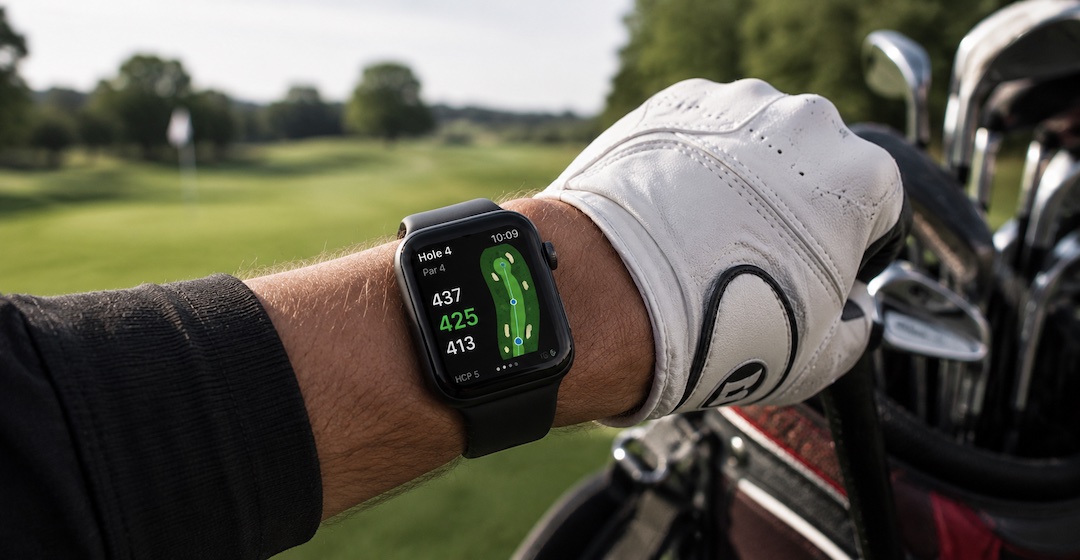
Your Apple Watch Is Coming for Your Golf Watch
Business
+1
Tournaments

LIV Golf's Bedminster Event Draws Trump, Surfaces Mystery Investor

Equipment
+1
Products
Titleist Equipment Wins 2026 Wyndham Championship with Michael Brennan
Business
+2
Equipment
Products
Callaway and Acushnet Report Q2 Revenue Gains Across Core Segments