For decades, golf technology revolved around equipment.
Faster drivers. More forgiving irons. Softer urethane balls. But in 2026, the most interesting innovation in golf isn’t happening in a clubhead or inside a launch monitor.
It’s happening in rooms.
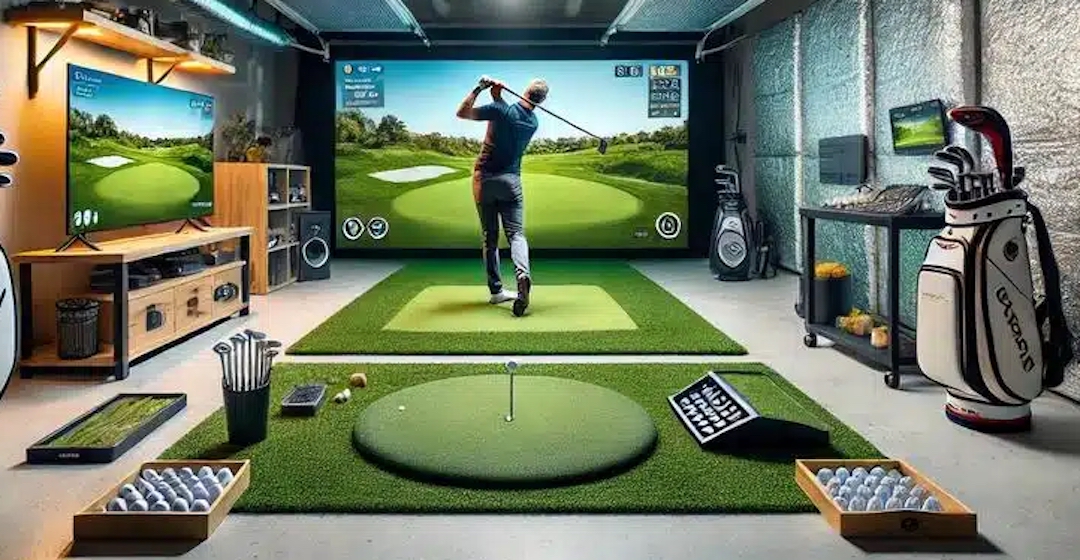
Golf simulation technology has quietly evolved from novelty entertainment into something far more serious: a digital training ecosystem where artificial intelligence, real-time analytics and immersive environments intersect. What once felt like an off-season workaround is increasingly becoming a legitimate performance laboratory—one capable of replicating and sometimes even enhancing real-world practice.
The shift is subtle but profound. Golf simulators are no longer just about playing Pebble Beach from a basement. They’re becoming intelligent coaching platforms.
The Rise of AI Golf Coaching
At the center of this evolution is artificial intelligence.
Modern simulation systems are beginning to move beyond simply measuring swing speed or launch angle. Instead, AI engines are analyzing the entire motion of a golf swing—tracking posture, club path, tempo and wrist angles to identify weaknesses and recommend improvements.
In other words, the simulator is becoming a coach.
These systems can now generate automated training plans based on a player’s performance data, offering drills designed to correct specific mechanical flaws. Some platforms even attempt predictive modeling, estimating how small adjustments today could influence long-term improvement.
The idea is familiar in other sports. Fitness apps track heart rate and generate training plans. Cycling computers analyze power output and recommend recovery windows. Golf simulation technology is beginning to follow the same data-driven trajectory.
For players who have never worked with a high-level instructor—or who practice alone most of the time—the implications are significant.
Remote Coaching Becomes Normal
Another change happening inside simulation platforms is the rapid expansion of remote instruction.
Instead of requiring in-person lessons, players can now record simulator swings, upload the data and video, and receive feedback from coaches anywhere in the world.
That capability effectively decouples coaching from geography. A golfer practicing in a garage in Chicago could receive swing analysis from a coach based in Scottsdale, London or Seoul.
For instructors, this opens new business models. For players, it dramatically expands access to expertise.
The traditional lesson—standing on a range mat while an instructor watches—may soon share space with something more digital: cloud-based coaching built around recorded swing sessions.
Simulators Become Performance Systems
The technology powering these environments has also matured dramatically.
Early simulators were built primarily around entertainment. Accuracy could be inconsistent, and many systems relied on simplified ball-flight models that produced optimistic yardages.
Today’s systems operate on a completely different level.
Modern simulator platforms combine radar tracking, high-speed cameras and advanced physics modeling to measure launch conditions with near-professional accuracy.
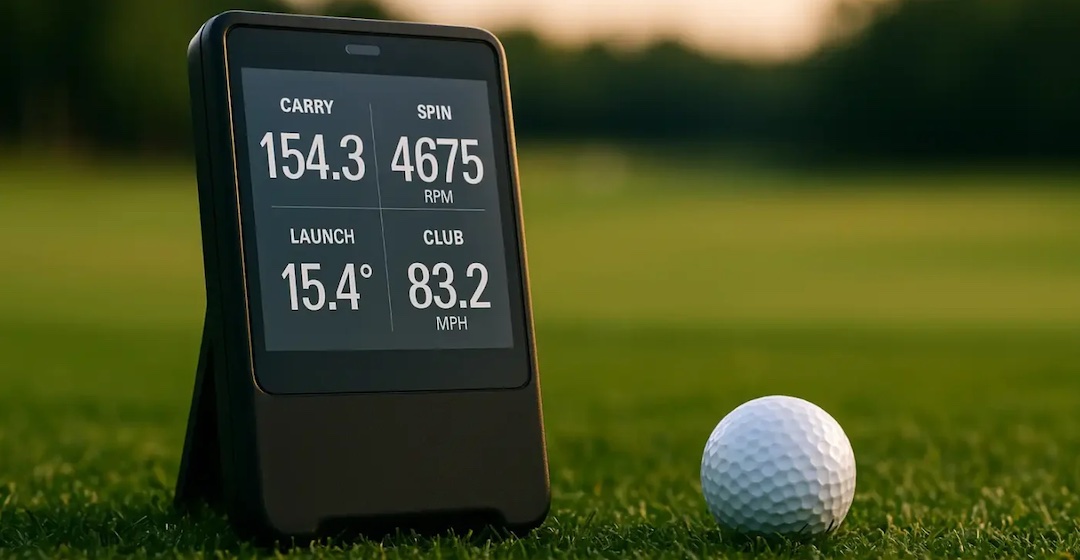
These sensors track metrics such as ball speed, spin rate, launch angle and club path—data that feeds into detailed shot modeling and swing diagnostics. Combined with high-resolution graphics and immersive course rendering, the result is an environment where practice sessions can mirror real-world performance with surprising fidelity.
In many ways, simulators have evolved into hybrid systems that blend training tools, gaming platforms and analytics engines.
The Immersive Future of Indoor Golf
Another trend accelerating simulator adoption is immersion.
Developers are experimenting with virtual reality overlays, enhanced course visuals and interactive practice environments that make indoor golf feel less like a digital approximation and more like a genuine experience.
These systems can recreate famous courses with extraordinary visual detail while layering data feedback directly onto the experience. The result is a blend of sport and simulation—something closer to a flight simulator for golf than a traditional video game.
And the market for that experience is expanding rapidly. The global golf simulator industry is expected to grow significantly over the next decade as both commercial venues and home installations adopt the technology.
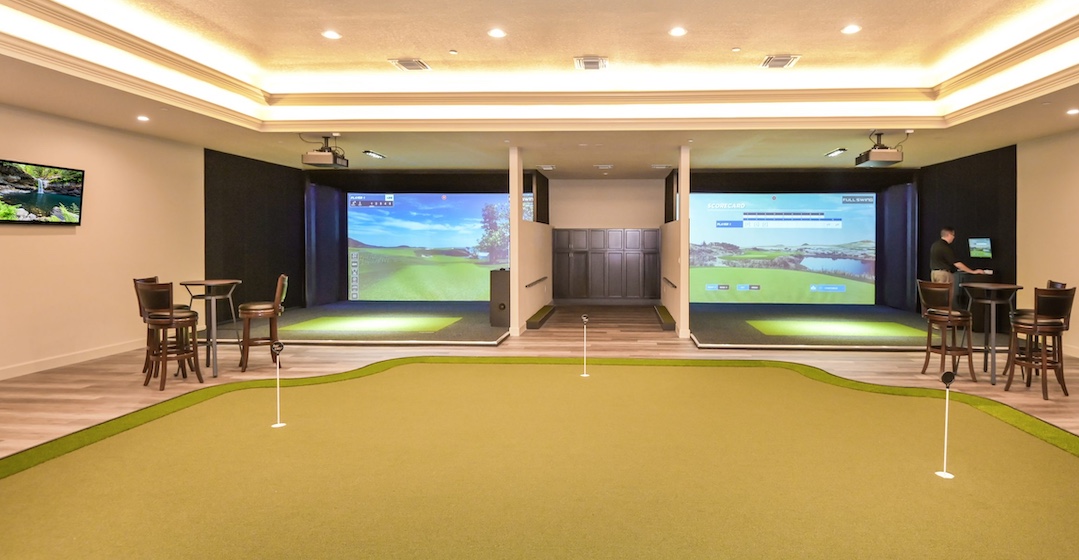
From dedicated simulator bars to residential installations in garages and basements, indoor golf environments are becoming more common across the sport’s ecosystem.
A Different Way to Practice
What makes this moment interesting isn’t simply the technology itself. It’s how the technology changes behavior.
Traditional golf practice has always been somewhat limited. Players hit balls on a range, guess at distances and rely on feel to interpret results. Launch monitors improved that process by introducing measurable feedback. Simulation systems take it a step further by integrating analytics, coaching and immersive play into a single environment.
Instead of a repetitive bucket of range balls, a player can practice with structured drills, immediate performance feedback and visual simulations of real courses.
The experience becomes more interactive, more measurable and—perhaps most importantly—more engaging.
The Digital Driving Range
None of this suggests that simulators will replace traditional golf. The sensation of walking a course, reading wind and shaping shots across real fairways remains central to the game.
But simulators are increasingly becoming something else: the digital driving range.
They provide year-round access to meaningful practice. They allow golfers to experiment with swing changes in controlled environments. And they offer insights that once required specialized training centers.
In 2026, golf technology is expanding beyond clubs and balls. It’s building environments—spaces where software, sensors and artificial intelligence collaborate to reshape how players train and improve.
The future of golf may still happen outdoors ... but increasingly, it starts indoors.
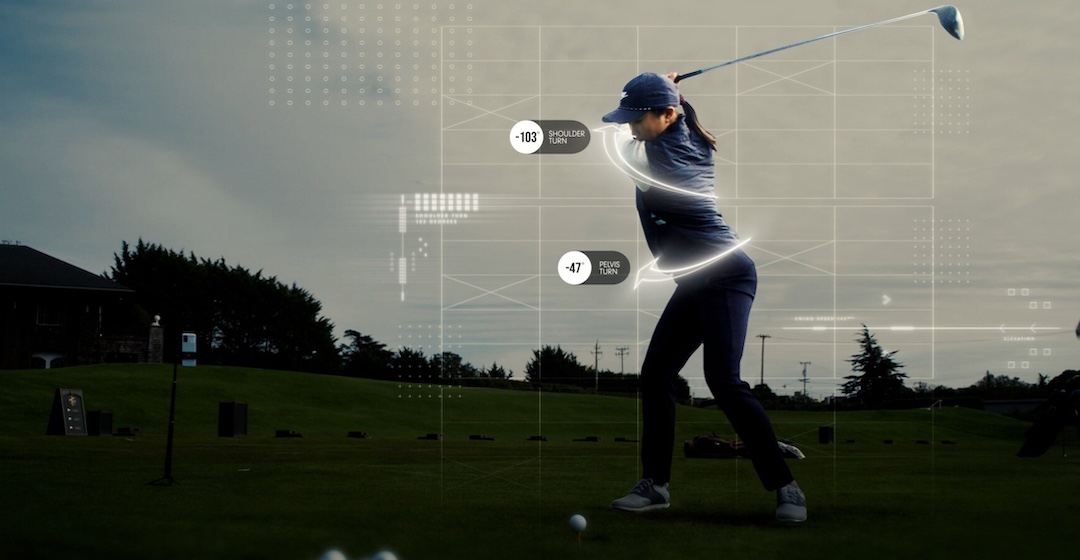
The Next Frontier of Golf Tech Is Happening ... Indoors
AI coaching, remote lessons and immersive simulators are transforming indoor golf, turning simulator rooms into data-driven training labs for modern players.

· 3 months ago
Related Articles

Business
+4
Products
Technology
Tournaments
Podcast

Blue Tees Golf Partners with Grass League as Presenting Sponsor of New Match Series
Business
+1
Technology
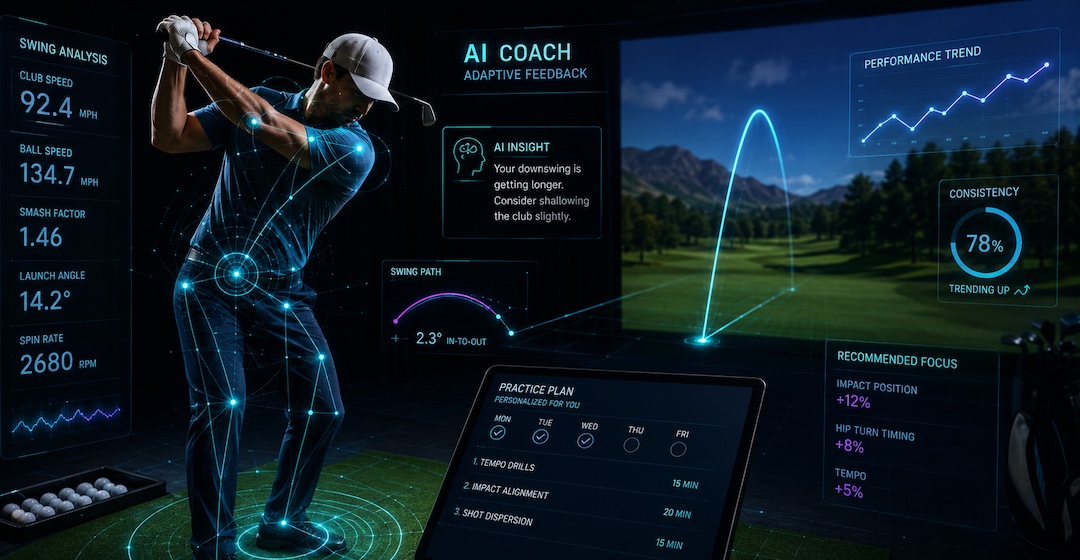
AI Is Starting to Build the Perfect Golf Swing
Business
+2
Products
Technology
The Smartest Golf Tech Is Starting to Disappear
Business
+2
Courses
Technology

Golf Courses Are Entering The Algorithm Era
Products
+1
Technology
The Smartest Golf Tech Is the One You Never Touch
Business
+2
Equipment
Technology

Launch Monitors Are Becoming Everyday Golf Gear
Business
+2
Equipment
Technology
Inside the AI Upgrade Transforming Golf Simulators
Business
+2
Products
Technology
Launch Monitors Are Finally Breaking Out of the Pro Shop
Business
+2
Products
Technology
AI Wearables Are Crashing Golf’s Most Protected Tradition
Business
+2
Equipment
Technology
The Driving Range Is Moving Indoors ... And It’s Not Going Back
Business
+2
Technology
Tournaments
AI Is Turning Golf Into a Smarter Viewing Experience
Business
+5
Equipment
Products
Technology
Tournaments
Podcast

Blue Tees Golf Featured on The 19th Hole Podcast with Michael Williams

Apparel
+2
Business
Products
Young Lady Golf taking on the Fashion World
Business
+2
Equipment
Technology
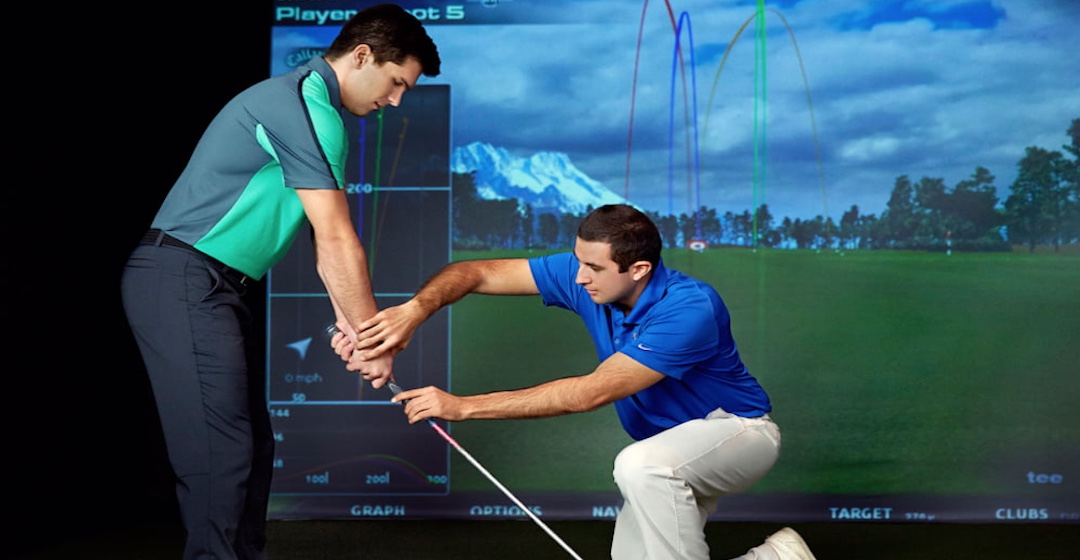
Simulators Are Becoming Golf's Smartest Coach
Business
+2
Equipment
Technology
The Pro Shop Is Becoming an Algorithm
Business
+2
Products
Technology

USGA presented Herbert Warren Wind Award
Business
+1
Courses

Golf’s Next Tech Battle Is Over Tee Times
Courses
+1
Tournaments

The Battle at Arnie's Place

Business
+6
Clubs
Courses
Equipment
Products
Technology
Podcast

Shot Scope Releases Annual Golf Report
Apparel
+3
Courses
Products
Tournaments
XTRATUF® OUTFITS THE GROUNDS CREW AT THE PLAYERS CHAMPIONSHIP AT TPC SAWGRASS