

The future of golf technology isn’t always visible from the tee box. Sometimes it’s happening before sunrise, quietly gliding across fairways while most golfers are still asleep.
Across Europe and increasingly around the world, robotic mowers are beginning to change how golf courses are maintained. What started as a curious experiment more than a decade ago is quickly becoming one of the most meaningful technological shifts in course management—an intersection of automation, artificial intelligence and sustainability that is reshaping the turf beneath golfers’ feet.
At first glance, the concept seems simple: autonomous machines that cut grass without human intervention. But the real story is far more sophisticated.
Modern robotic mowers are essentially autonomous turf-management systems. Using GPS guidance, digital mapping and software-controlled mowing patterns, they operate continuously throughout the day and night, trimming grass in small increments rather than relying on large, periodic cuts from traditional ride-on equipment.
That seemingly small change—cutting “little and often”—turns out to have significant consequences for turf health.
Precision Turf Management
Traditional mowing typically removes larger amounts of grass during scheduled maintenance windows. Robotic systems, by contrast, maintain turf incrementally, keeping grass at consistent heights and encouraging denser growth patterns across fairways and rough.
For golfers, the result is subtle but noticeable: more consistent playing surfaces and improved lies throughout the season.
Consistency has always been one of the biggest challenges in golf course maintenance. Slight variations in mowing patterns can gradually alter fairway edges, rough lines and design features over time. Autonomous systems, guided by digital mapping and GPS positioning, can maintain those architectural boundaries with remarkable accuracy—sometimes within just a few centimeters.
In a sport defined by precision, that level of repeatability matters.
The technology also allows mowing schedules to change dramatically. Because the machines operate autonomously, they can run overnight or during quiet periods on the course, eliminating the familiar early-morning race between greenkeepers preparing the course and golfers arriving for their first tee times.
For players, that means fewer interruptions during a round and better-prepared surfaces.
Built for the Modern Course
Robotic mowers also bring an advantage that might not immediately occur to golfers: weight.
Traditional fairway mowers can be heavy machines, and repeated passes across soft ground can lead to soil compaction. Robotic units are significantly lighter, allowing them to operate even in wetter conditions without damaging turf.
That capability extends the playable season on many courses. Fairways that might previously have been too wet to mow can now be maintained more consistently throughout the year.
In regions with unpredictable weather, that flexibility is becoming increasingly valuable.
A Quiet Environmental Shift
Another major driver behind robotic mowing is sustainability.
Most autonomous mowing systems are battery-powered and operate entirely on electricity, producing no direct emissions and significantly less noise than traditional fuel-powered equipment.
Some facilities even run the machines on renewable energy, reducing their overall carbon footprint while lowering long-term fuel costs.
Noise reduction may seem like a minor benefit, but on a golf course it can be transformative. Robotic mowers are quiet enough to operate during play without disrupting golfers—or the wildlife that often inhabits course environments.
The machines effectively blend into the background, doing their work without drawing attention.
Changing the Role of Greenkeepers
Perhaps the most interesting shift isn’t happening on the course itself, but within maintenance teams.
Golf course maintenance is labor-intensive, and mowing alone can consume a large portion of a superintendent’s daily schedule. Autonomous systems take over those repetitive tasks, allowing greenkeepers to focus on more specialized aspects of course management—greens preparation, bunker maintenance and strategic turf care.
In an industry facing increasing labor shortages, that redistribution of work is becoming increasingly valuable.
The machines can also be managed remotely through digital control platforms. Staff can monitor mowing patterns, adjust cutting heights or pause operations directly from software dashboards or mobile apps.
In other words, turf management is becoming a data-driven process.
The AI Layer
The next phase of this technology is already arriving.
Manufacturers are beginning to integrate AI-powered vision systems into robotic mowers, allowing them to detect and avoid objects while operating autonomously. Infrared sensors enable the machines to function safely even at night.
These systems don’t just cut grass—they interpret their surroundings.
As artificial intelligence becomes more integrated into turf equipment, the machines could eventually adapt mowing strategies based on weather conditions, turf growth patterns or course usage.
Golf course maintenance may soon operate more like a smart ecosystem than a mechanical routine.
The Autonomous Fairway
For golfers, most of this technology will remain invisible.
They’ll simply notice better turf conditions, quieter mornings and more consistent fairways. But behind those improvements, a quiet revolution is taking place.
Golf has always embraced technological innovation—from irrigation systems to GPS rangefinders and launch monitors. Robotic mowing represents the next chapter in that evolution, applying automation and AI to the very ground the game is played on.
The fairways of the future may still look traditional, but increasingly, they’re being maintained by machines.
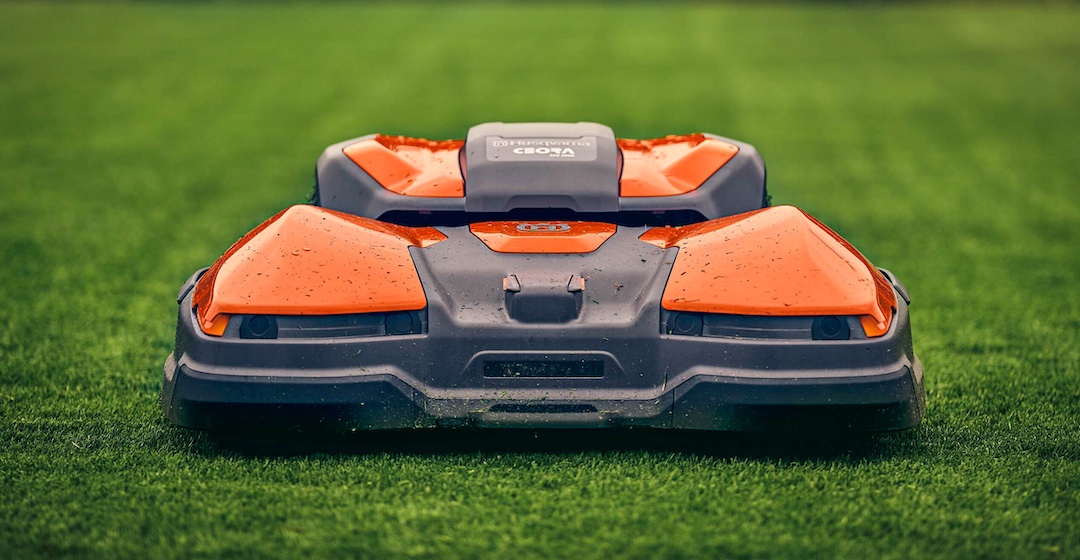
The Robot Groundskeepers Quietly Reshaping Golf Courses
Autonomous robot mowers are reshaping golf course maintenance, improving turf consistency, reducing emissions and freeing greenkeepers for higher-skill work.

· 7 months ago
Related Articles
Business
+1
Technology

Golf Tech Is Starting to Measure the Shot Before You Swing

Clubs
+2
Equipment
Technology

What Auditing 3,000 Golf Shaft Specs Taught Us About Weight
Business
+1
Technology

Golf Is Finally Getting Multiplayer Mode, Five Swings at a Time
Equipment
+2
Products
Technology
Golf's Next Computer Is 1.68 Inches Wide
Business
+2
Courses
Technology
The Golf Course Mechanic Is Becoming a Robotics Engineer

Business

LIV Golf Cancels Season Finale, Concerts Amid Operational Breakdown
Business
+1
Technology

Golf's Next Employee Might Just Be an AI Agent

Courses
+2
Tournaments
Podcast

Duff Foreman Could Make History as First Known AI Broadcast Personality to Join a Live Professional Golf Broadcast
Clubs
+2
Equipment
Technology

Golf's "Weirdest" Putters Are Winning the Engineering War

Business
+3
Products
Technology
Tournaments

ParTab Partners with iGolf to Bring Course Intelligence to the Games Golfers Actually Play
Business
+1
Technology

Golf AI Is Learning What Your Scorecard Can’t Tell You

Business
+1
Tournaments

iGolf Partners with Skins Golf to Power Its All-in-One Competitive Golf Platform
Business
+1
Tournaments

LIV Golf Cuts Prize Money Following Cancellation of Team Championship

Courses
+1
Tournaments

Carden Park Secures Women's PGA Cup Hosting Rights

Business
+2
Courses
Tournaments

LIV Golf's Season Finale Plans Scaled Back Amid Uncertainty
Equipment

TaylorMade Adds Hi-Toe 5 Wedge to Growing Wedge Portfolio
Business
+2
Products
Technology
Your Apple Watch Is Coming for Your Golf Watch
Business
+1
Tournaments

LIV Golf's Bedminster Event Draws Trump, Surfaces Mystery Investor

Equipment
+1
Products

Titleist Equipment Wins 2026 Wyndham Championship with Michael Brennan
Business
+2
Equipment
Products

Callaway and Acushnet Report Q2 Revenue Gains Across Core Segments