For decades, golf ball innovation has focused on the visible and measurable: faster cores, softer urethane covers, optimized dimple counts. Add a layer. Tweak compression. Adjust spin windows. Repeat.
But the most interesting upgrade in TaylorMade’s 2026 TP5 and TP5x isn’t inside the core or hiding in the mantle layers.
It’s in the paint and while that might sound trivial, it isn’t.
The Invisible Variable
During development of the new TP5 family, TaylorMade’s R&D team began examining something most golfers — and frankly most brands — rarely question: how paint application affects aerodynamics at high speed.
Traditional finishing processes can allow paint to pool microscopically at the bottom of dimples. To the naked eye, the ball looks perfect. Under magnification, however, subtle variations emerge. At 160+ mph ball speed, those microscopic inconsistencies can influence airflow behavior. Not dramatically. But enough to affect peak height stability, spin retention and shot-to-shot consistency.
In a world where launch monitors measure everything to the decimal, “almost identical” isn’t good enough.
The solution is a new surface treatment TaylorMade calls Microcoating — an ultra-thin, highly controlled finishing process designed to eliminate excess paint buildup inside dimples. The objective isn’t aesthetics. It’s aerodynamic uniformity.
Think of it less as a cosmetic layer and more as airflow management.
By refining how air moves across the ball’s surface, Microcoating aims to reduce variability in flight windows. That means tighter dispersion patterns, more consistent apex heights and improved wind stability — especially when conditions aren’t perfect.
In other words: fewer unexplained flyers.
Engineering the Core Around Modern Data
While the surface refinement headlines the innovation story, the internal construction hasn’t stood still.
The TP5 features a redesigned core structure engineered to increase energy transfer at impact while maintaining a controlled mid-launch profile. It’s built for players who want ball speed without sacrificing spin consistency into greens. The five-layer architecture remains, but the tuning has shifted toward optimizing efficiency — less wasted energy, more predictable carry.
The TP5x, traditionally the firmer and lower-spinning sibling, continues in that lane with mantle adjustments that keep driver spin in check while preserving short-game responsiveness. It’s designed for players who generate speed and want to keep flight windows stable without ballooning.
What’s notable isn’t radical reinvention. It’s precision tuning.
In previous eras, golf ball releases chased distance gains as the headline metric. In 2026, dispersion and stability appear to be the focus. That’s a data-era shift. When golfers track every swing on a launch monitor, consistency becomes currency.
Aerodynamics as the New Frontier
Golf ball aerodynamics have always mattered, but they’ve rarely been discussed beyond dimple counts and patterns. What TaylorMade is doing here pushes deeper into surface uniformity — the idea that airflow consistency requires not just a specific dimple shape, but a perfectly controlled coating environment.
At high speeds, airflow doesn’t forgive imperfections. Turbulence behaves differently when microscopic surfaces vary from ball to ball. The new TP5 family attempts to remove that variable.
Pair that with updated dimple geometry working in concert with the Microcoating process, and the goal becomes clear: produce identical flight characteristics across production batches and across swings.
It’s manufacturing tolerance as performance advantage.
What It Means on the Course
All of this engineering ultimately translates into something tangible. Drives that hold their line instead of drifting. Approach shots that peak where expected. Wind that influences, but doesn’t exaggerate, curvature.
The difference may not scream at you on the first swing. But over 18 holes — especially in variable conditions — predictability compounds.
The modern golfer doesn’t just want distance. They want reliability. They want to know that when they hit a 7-iron 168 yards, it flies 168 yards again.
By addressing surface-level variability and tightening internal energy transfer, the 2026 TP5 and TP5x lean into that demand.
A Subtle but Significant Shift
What makes this release compelling isn’t celebrity endorsement or cosmetic refresh. It’s the idea that meaningful innovation can come from reexamining overlooked processes.
Paint thickness inside a dimple isn’t glamorous. But if refining it produces measurable gains in stability and dispersion, it becomes foundational.
Golf equipment innovation often looks dramatic — carbon crowns, AI-designed faces, adjustable everything. Sometimes, however, progress hides in millimeters and microns.
The 2026 TP5 family suggests that the next frontier in golf ball performance isn’t louder.
It’s cleaner.
And in an era defined by data, cleaner performance may be exactly what serious players are looking for.
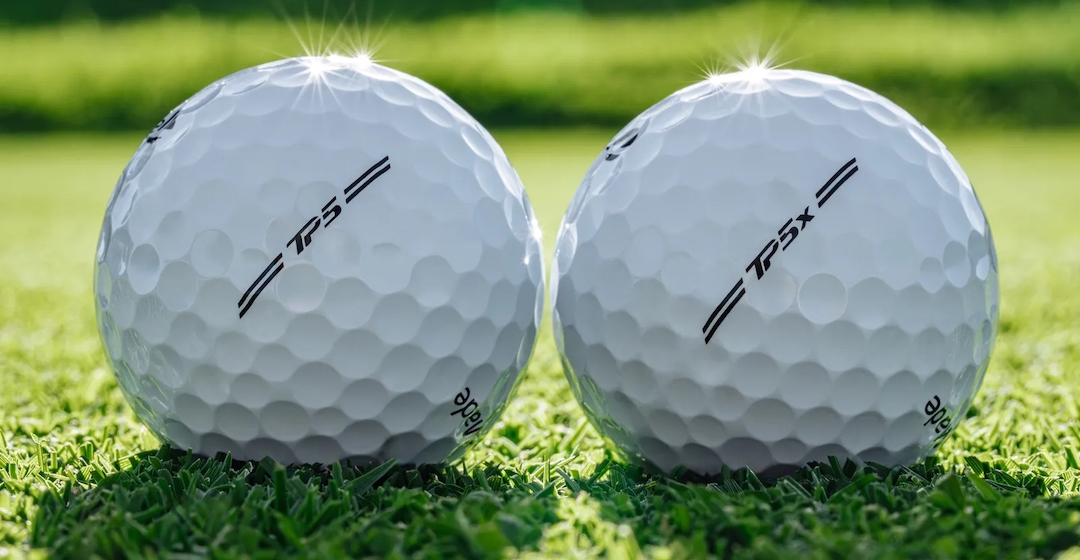
TaylorMade’s New TP5 & TP5x: The Golf Ball That Solved a Problem You Didn’t Know Existed
TaylorMade’s TP5/TP5x golf balls feature new microcoating and dimple tech for tighter dispersion, consistent flight and reliable distance.

· 3 months ago
Related Articles

Business
+4
Products
Technology
Tournaments
Podcast
Blue Tees Golf Partners with Grass League as Presenting Sponsor of New Match Series
Business
+1
Technology

AI Is Starting to Build the Perfect Golf Swing
Business
+2
Products
Technology
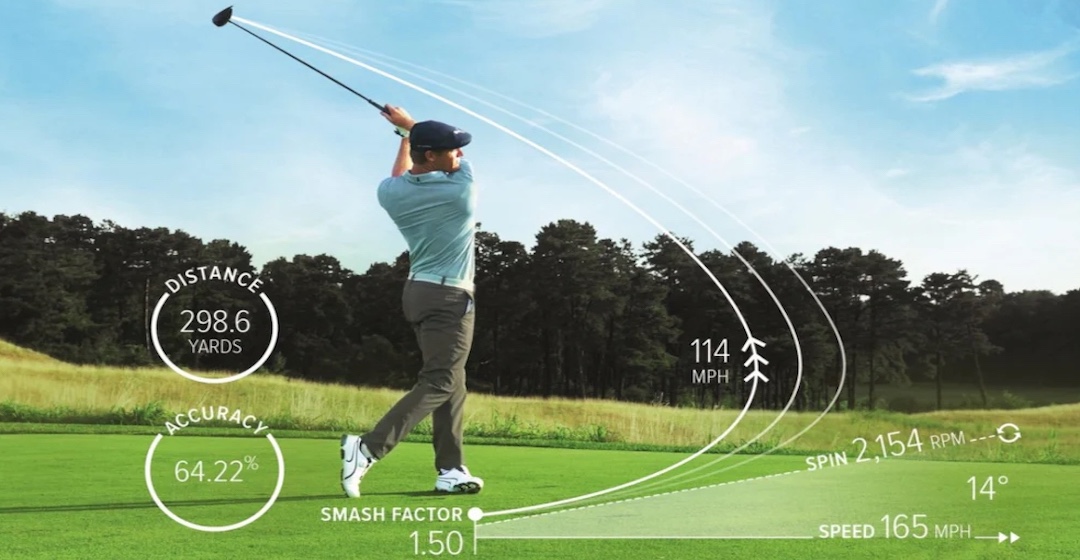
The Smartest Golf Tech Is Starting to Disappear
Business
+2
Courses
Technology

Golf Courses Are Entering The Algorithm Era
Products
+1
Technology
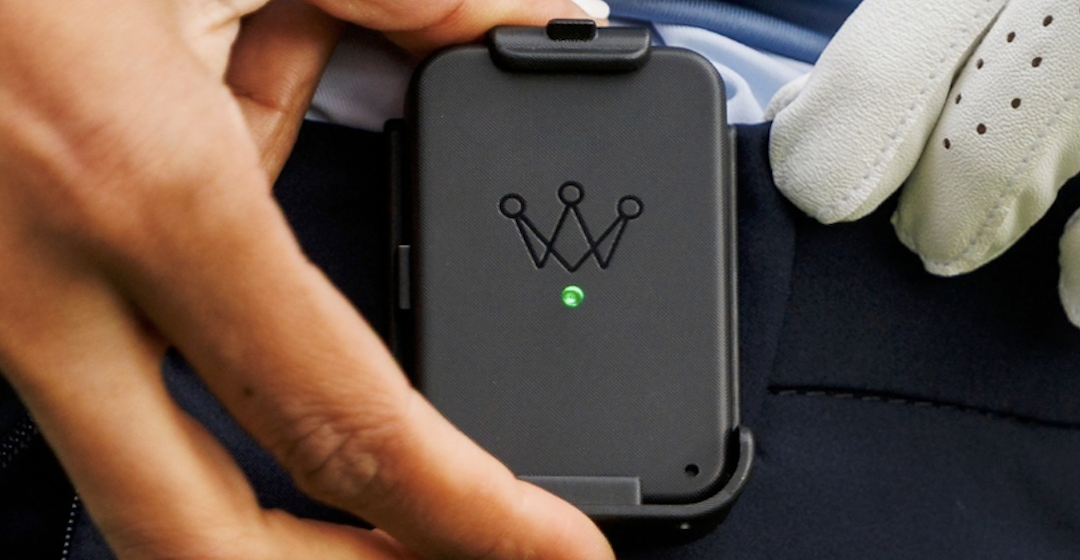
The Smartest Golf Tech Is the One You Never Touch
Business
+2
Equipment
Technology
Launch Monitors Are Becoming Everyday Golf Gear
Business
+2
Equipment
Technology

Inside the AI Upgrade Transforming Golf Simulators
Business
+2
Products
Technology
Launch Monitors Are Finally Breaking Out of the Pro Shop
Business
+2
Products
Technology
AI Wearables Are Crashing Golf’s Most Protected Tradition
Business
+2
Equipment
Technology
The Driving Range Is Moving Indoors ... And It’s Not Going Back
Business
+2
Technology
Tournaments
AI Is Turning Golf Into a Smarter Viewing Experience
Business
+5
Equipment
Products
Technology
Tournaments
Podcast

Blue Tees Golf Featured on The 19th Hole Podcast with Michael Williams

Apparel
+2
Business
Products
Young Lady Golf taking on the Fashion World
Business
+2
Equipment
Technology

Simulators Are Becoming Golf's Smartest Coach
Business
+2
Equipment
Technology
The Pro Shop Is Becoming an Algorithm
Business
+2
Products
Technology
USGA presented Herbert Warren Wind Award
Business
+1
Courses

Golf’s Next Tech Battle Is Over Tee Times
Courses
+1
Tournaments

The Battle at Arnie's Place

Business
+6
Clubs
Courses
Equipment
Products
Technology
Podcast

Shot Scope Releases Annual Golf Report
Apparel
+3
Courses
Products
Tournaments
XTRATUF® OUTFITS THE GROUNDS CREW AT THE PLAYERS CHAMPIONSHIP AT TPC SAWGRASS