If you’ve been paying attention to golf gear over the past few years, you know one thing for sure: Cobra isn’t afraid to experiment. What used to feel like “concept-car tech” is slowly becoming everyday equipment, and the brand’s newest putters—dropping March 2026—are living proof of that.
Let’s break down what’s actually interesting here, what’s different, and why you should be paying attention even if you’re not a “gear nerd.”
It’s Not Just Another Putter Drop
Cobra’s 2026 lineup isn’t just a refresh—it’s two very different manufacturing philosophies under one roof. One family pushes boundaries with 3D printing, and the other does something surprisingly innovative with a process called Metal Injection Molding (MIM).
3DP Tour putters are what happens when engineers throw out limitations. By using a 3D-printed nylon core paired with carbon fiber and stainless steel, Cobra can precisely place mass where it helps the most—farther out on the perimeter for stability and forgiveness without the clunky look of traditional high-MOI putters.
Meanwhile, MIM putters take a very traditional shape and make it better through manufacturing precision and a refined Pebax insert (yes, the same soft yet snappy polymer you’d find in premium running shoes).
To put it plainly: one line is tech-forward performance, the other is classic feel but upgraded from the inside out.
What 3D Printing Actually Means for Your Stroke
There’s a lot of buzz about 3D printing, but most golfers still aren’t sure what that actually does beyond a neat factory trick.
Here's the gist; the 3DP Tour putters use a 3D printed internal lattice that is crazy light compared to steel or aluminum.
That weight savings lets engineers redistribute mass to boost MOI (stability on off-center hits) and fine-tune the center of gravity for better squaring at impact — something usually reserved for pricey tech builds.
The result? A stable, forgiving head that still acts like a blade-ish design — quick to square up but more forgiving than you’d expect.
In short: it’s not 3D printing for the sake of flash. It’s using printing to do something real and measurable to performance.
Old School Meets New School: Descending Loft Tech
Both the 3DP and MIM lines share one clever piece of face tech: LA Golf’s Descending Loft Technology.
Instead of a flat face, the putter face is sliced into zones with slightly different lofts from top to bottom. The idea is simple but effective: whether you hit high on the face or low, the ball meets optimal loft for forward roll and consistent launch.
That’s not revolutionary in itself, but put it next to the 3D-printed head and it starts to feel like putters are finally catching up to the rest of golf tech (drivers, irons, launch monitors… you name it) when it comes to thoughtful performance engineering.
How the Lineup Breaks Down
3DP Tour models ($379 retail, available March 13, 2026) include a mix of mallets and high-MOI shapes—everything from traditional blade-style to wingback configurations.
MIM putters ($279 retail) bring classic shapes (blades and mallets alike) with that improved Pebax insert and manufacturing precision that helps maintain feel and forgiveness.
From a golfer’s perspective, it’s a two-fer: you get modern stability and forgiveness with the 3DP line, plus comfort and responsiveness with the MIM line — both concepts that genuinely matter when you’re rolling for real.
Why This Matters
To me, what’s cool here isn’t that Cobra has a new putter family — it’s that they’re treating putter design like actual product development, not just tweaking shapes year after year.
Whether you’re a tech-obsessed gearhead or someone who’d rather just sink more putts, this is a sign that flat stick tech isn’t stuck anymore. Innovation finally seems to be spreading from drivers and irons into the one club that actually matters most on the course: the putter.
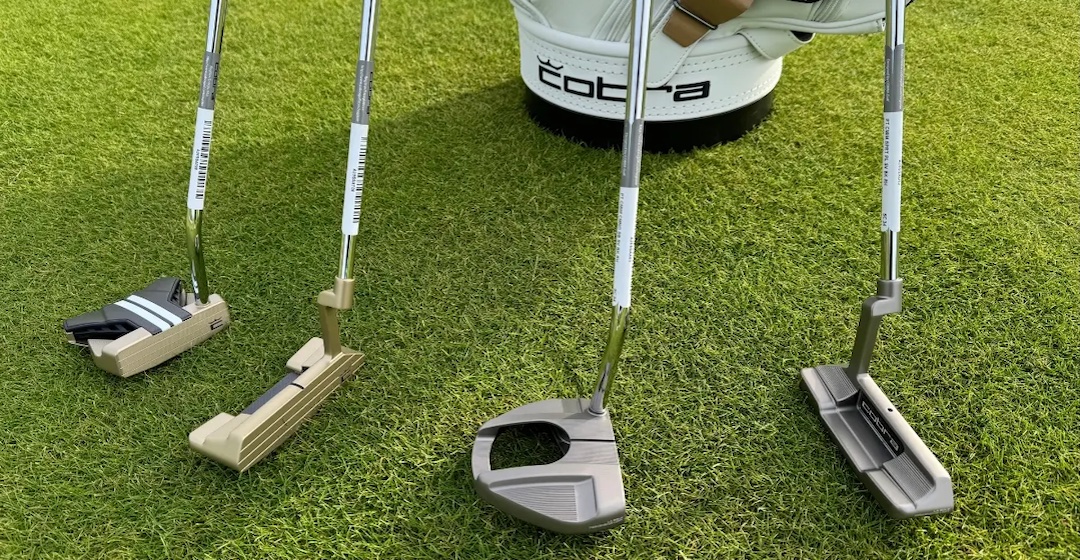
Cobra’s 2026 Putters Are a Sign That Tech Really Is Taking Over the Greens
Cobra’s 2026 putters signal real innovation, using 3D printing and MIM tech to improve stability, feel, and consistency where it matters most—on the greens.

· 4 months ago
Related Articles

Business
+4
Products
Technology
Tournaments
Podcast

Blue Tees Golf Partners with Grass League as Presenting Sponsor of New Match Series
Business
+1
Technology

AI Is Starting to Build the Perfect Golf Swing
Business
+2
Products
Technology

The Smartest Golf Tech Is Starting to Disappear
Business
+2
Courses
Technology

Golf Courses Are Entering The Algorithm Era
Products
+1
Technology
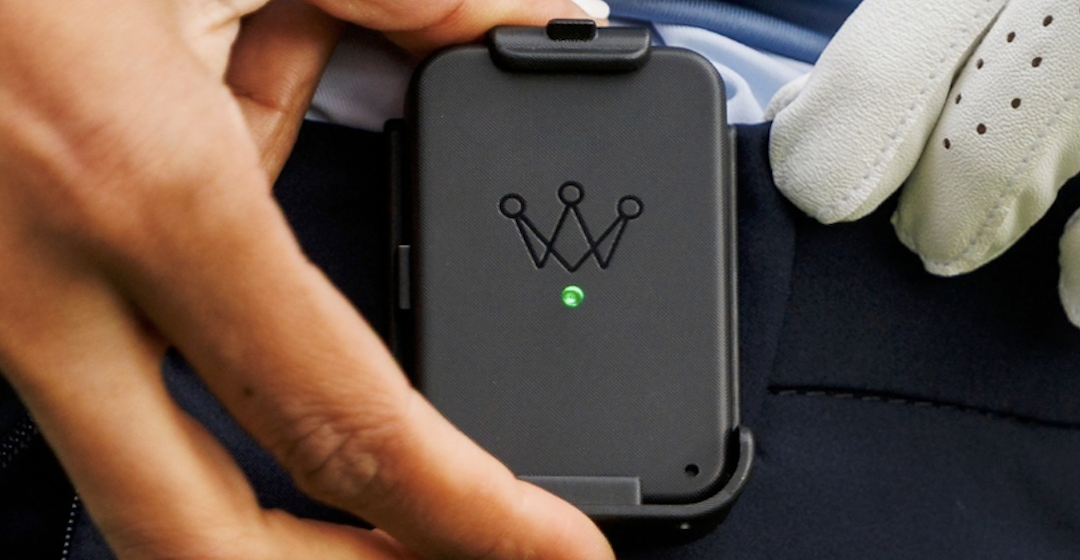
The Smartest Golf Tech Is the One You Never Touch
Business
+2
Equipment
Technology

Launch Monitors Are Becoming Everyday Golf Gear
Business
+2
Equipment
Technology

Inside the AI Upgrade Transforming Golf Simulators
Business
+2
Products
Technology

Launch Monitors Are Finally Breaking Out of the Pro Shop
Business
+2
Products
Technology
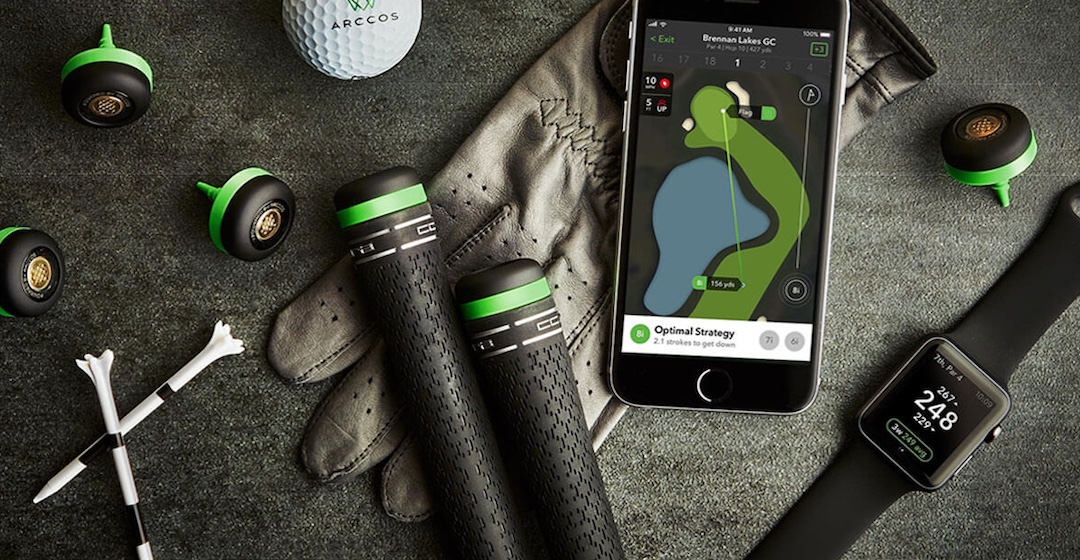
AI Wearables Are Crashing Golf’s Most Protected Tradition
Business
+2
Equipment
Technology

The Driving Range Is Moving Indoors ... And It’s Not Going Back
Business
+2
Technology
Tournaments

AI Is Turning Golf Into a Smarter Viewing Experience
Business
+5
Equipment
Products
Technology
Tournaments
Podcast

Blue Tees Golf Featured on The 19th Hole Podcast with Michael Williams

Apparel
+2
Business
Products
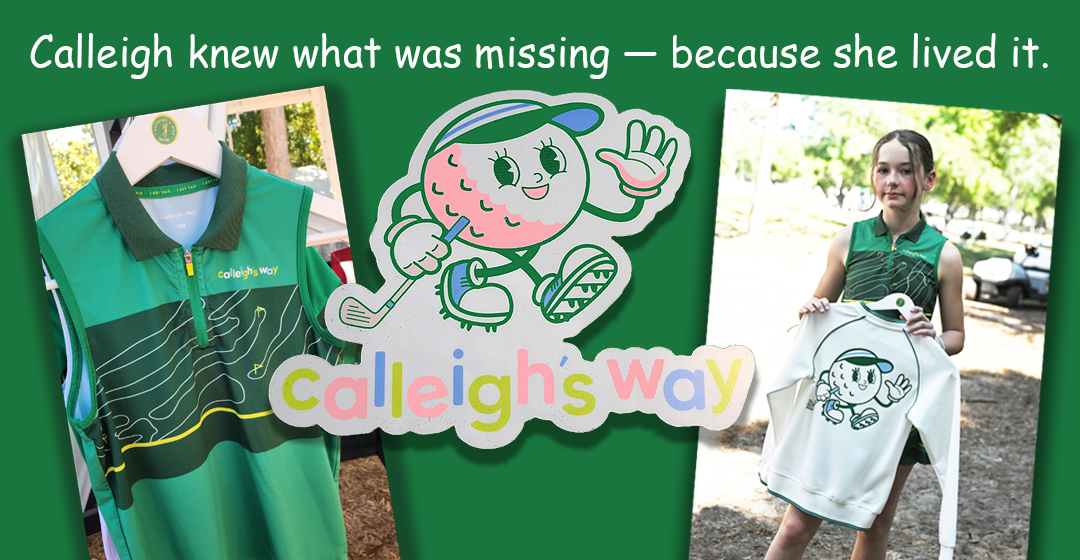
Young Lady Golf taking on the Fashion World
Business
+2
Equipment
Technology

Simulators Are Becoming Golf's Smartest Coach
Business
+2
Equipment
Technology

The Pro Shop Is Becoming an Algorithm
Business
+2
Products
Technology

USGA presented Herbert Warren Wind Award
Business
+1
Courses

Golf’s Next Tech Battle Is Over Tee Times
Courses
+1
Tournaments

The Battle at Arnie's Place

Business
+6
Clubs
Courses
Equipment
Products
Technology
Podcast

Shot Scope Releases Annual Golf Report
Apparel
+3
Courses
Products
Tournaments

XTRATUF® OUTFITS THE GROUNDS CREW AT THE PLAYERS CHAMPIONSHIP AT TPC SAWGRASS